- English
- French
- German
- Portuguese
- Spanish
- Russian
- Japanese
- Korean
- Arabic
- Greek
- German
- Turkish
- Italian
- Danish
- Romanian
- Indonesian
- Czech
- Afrikaans
- Swedish
- Polish
- Basque
- Catalan
- Esperanto
- Hindi
- Lao
- Albanian
- Amharic
- Armenian
- Azerbaijani
- Belarusian
- Bengali
- Bosnian
- Bulgarian
- Cebuano
- Chichewa
- Corsican
- Croatian
- Dutch
- Estonian
- Filipino
- Finnish
- Frisian
- Galician
- Georgian
- Gujarati
- Haitian
- Hausa
- Hawaiian
- Hebrew
- Hmong
- Hungarian
- Icelandic
- Igbo
- Javanese
- Kannada
- Kazakh
- Khmer
- Kurdish
- Kyrgyz
- Latin
- Latvian
- Lithuanian
- Luxembou..
- Macedonian
- Malagasy
- Malay
- Malayalam
- Maltese
- Maori
- Marathi
- Mongolian
- Burmese
- Nepali
- Norwegian
- Pashto
- Persian
- Punjabi
- Serbian
- Sesotho
- Sinhala
- Slovak
- Slovenian
- Somali
- Samoan
- Scots Gaelic
- Shona
- Sindhi
- Sundanese
- Swahili
- Tajik
- Tamil
- Telugu
- Thai
- Ukrainian
- Urdu
- Uzbek
- Vietnamese
- Welsh
- Xhosa
- Yiddish
- Yoruba
- Zulu
How titanium plate surgery enhances recovery in facial reconstructions?
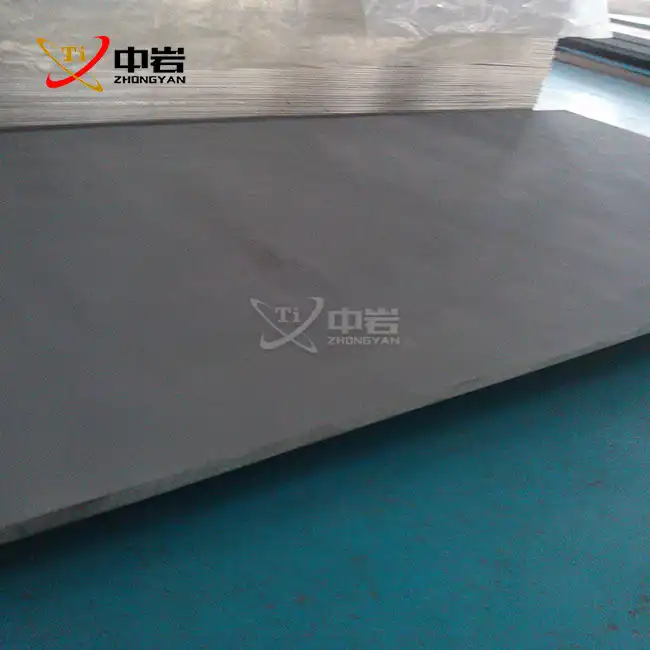
Titanium plate surgery has revolutionized the field of facial recreations, advertising improved recuperation and progressed results for patients. This inventive surgical strategy includes the utilize of biocompatible titanium plates to give basic bolster and solidness amid the mending prepare. The interesting properties of titanium, counting its quality, lightweight nature, and erosion resistance, make it an perfect fabric for facial remaking methods. By utilizing titanium plates, specialists can accomplish more exact and steady obsession of facial bones, driving to quicker mending times and diminished complications. This progressed approach not as it were quickens the recuperation prepare but moreover minimizes scarring and makes strides the in general tasteful comes about. As we dig more profound into the world of titanium plate surgery, we'll investigate its various benefits, applications, and the transformative affect it has on patients' lives.
The Benefits of Titanium Plate Surgery in Facial Reconstructions
Enhanced Structural Support and Stability
Titanium plate surgery is the best way to rebuild a face because it gives the most support and safety to the structure. Titanium is very strong for its weight, so doctors can use it to make structures that are both strong and light. These structures help the face bones heal very well. To keep the bones in place, this extra support is important. It also lowers the risk of problems after surgery. Bone pieces can be set more precisely when titanium plates are used in surgery. While the person heals, this keeps the face in the right shape. It is also less likely that the body will reject or have a bad response to titanium, which makes the whole reconstruction safer.
Accelerated Healing and Reduced Recovery Time
One of the best things approximately titanium plate surgery for reproducing the confront is that it speeds up the patching prepare. Since titanium is biocompatible, it makes a difference osseointegration, which implies that the bone can develop around the embed and connect with it. The bones in the confront recuperate quicker and more relentlessly since of this combination. Since titanium plates are so light, they put less push on the tissues around them, which diminishes swelling and torment amid mending. Titanium is too safe to erosion, which implies the embed will remain steady over time. This implies patients who have confront reproductions will require less modification surgeries and recuperate quicker overall.
Improved Aesthetic Outcomes and Patient Satisfaction
Titanium plate surgery has made a huge contrast in how well confront reproductions see, which makes patients more joyful. Titanium is exceptionally adaptable, so specialists can shape the plates to impeccably fit the shape of the patient's confront. This makes the understanding see more characteristic after surgery. Since titanium plates are lean, they do not take off numerous self-evident forms beneath the skin. This makes it less likely that individuals will take note that they have inserts. Moreover, the soundness of titanium plates makes a difference keep the wanted facial shape whereas the quiet mends, guaranteeing that the conclusion result closely matches the desire. This way better appearance, along with the shorter recuperation time and littler scars, makes patients more joyful and moves forward their quality of life after facial reproduction operations.
Advanced Techniques in Titanium Plate Surgery for Facial Reconstructions
3D Printing and Custom Implant Design
Using 3D printing along with titanium plate surgery has changed the way face reconstructions are done. This new method makes it possible to make titanium implants that are exactly the right size and shape for each patient's face. Surgeons can make titanium plates that fit and work perfectly by using CT scans and 3D modeling tools to make them very precise and unique. This amount of customization not only makes the reconstruction more stable, but it also makes it look better. Being able to 3D print titanium plates also lets doctors fix complicated facial deformities that were hard to fix with regular implants. This makes facial reconstruction surgery more flexible.
Minimally Invasive Approaches in Titanium Plate Surgery
Because of improvements in surgery methods, less invasive methods for titanium plate surgery for face reconstructions have been created. These methods have smaller cuts and less damage to the flesh, so there are fewer scars and faster healing times. Endoscopic techniques are now used by surgeons to insert and position titanium plates. These techniques allow for exact placement with little scarring on the outside. This method not only improves the look of the result, but it also lowers the risk of problems that come up with open treatments. Using special tools made for titanium plate surgery makes it even easier for the surgeon to get the best results with minimally invasive methods.
Combination of Titanium Plates with Biological Materials
Combining titanium plates with biological materials to help the body heal and integrate is a new way to rebuild the face. This mixed method uses the strength of titanium plates for structure and the ability to heal from things like bone grafts or growth factors. By adding these biological elements, doctors can help the bone grow back faster and the soft tissues around the titanium implants heal better. This combination method not only speeds up the healing process, but it also makes the reconstruction more stable in the long term. The combination of biological materials and titanium plates is a big step forward in face reconstruction surgery. It leads to better results and fewer problems for patients.
Future Prospects and Innovations in Titanium Plate Surgery
Smart Implants and Sensor Integration
In the future, titanium plate surgery for reconstructing the face will take big steps forward when smart technology is added to it. Implanting tiny sensors in titanium plates will allow researchers to continuously look for infections, monitor bone growth, and determine bone quality. These smart implants might give surgeons useful data. This would help them provide more personalized care after surgery and move quickly if problems arise. Shape-memory metals could be added to titanium plates to make the implant's shape change over time. This would make the process of rebuilding even better. Together with titanium plate surgery, smart technology could change how patients are watched and lead to better long-term results in face makeovers.
Nanotechnology and Surface Modifications
New ways are being found to make titanium plates used in facial repairs work better with nanotechnology. Nanoscale changes are made to the surface of titanium plates to help bones join together better and lower the risk of getting an infection. Surfaces with nanostructures can help cells stick to them and multiply better. This can help bone implants fuse together more quickly and safely. Putting antimicrobial nanocoatings on titanium plates could also make it much less likely that someone will get an infection after surgery, which is a common worry for people who have had face reconstruction surgery. With these new nanotechnology-based ideas, titanium plate surgery to rebuild the face might work even better and be more successful for patients.
Biodegradable Titanium Alloys
Biodegradable titanium alloys are a new and interesting development in the field of facial reconstruction surgery. The goal of these new materials is to provide brief support while the body heals and then break down naturally, so that surgeries to remove implants are not needed. Researchers are carefully engineering the structure and makeup of these alloys to make biodegradable titanium plates that stay strong during the healing process and then break down naturally over time. This method could greatly lower the long-term issues connected with permanent implants and get rid of the need for extra treatments. It is possible that using biodegradable titanium alloys in facial reconstruction operations could change the field, making patients more comfortable and lowering long-term healthcare costs.
Conclusion
Titanium plate surgery has made reconstructive surgery for the face much more advanced. It heals faster, gives better results over time, and makes people look better. Because titanium is so special, along with new surgical techniques and cutting-edge technology, it has totally changed the field of reconstructing faces. As time goes on, new tools may come out that will improve care for patients and outcomes even more. Nanotechnology, biodegradable alloys, and smart devices are a few examples. Zhong Yan Titanium has a lot of options that can be changed to fit your wants if you need high-quality titanium items for medical reasons. If you want to know more, please email us at sales@titaniumstudy.com.
FAQ
Q: What are the main advantages of using titanium plates in facial reconstructions?
A: Titanium plates offer excellent biocompatibility, a high strength-to-weight ratio, corrosion resistance, and promote faster healing and better aesthetic outcomes.
Q: How long does it take to recover from titanium plate surgery in facial reconstruction?
A: Recovery time varies depending on the extent of the reconstruction, but titanium plate surgery generally allows for faster healing compared to traditional methods, often reducing recovery time by several weeks.
Q: Are titanium plates visible after facial reconstruction surgery?
A: Modern titanium plates are designed to have a low profile and are typically not visible under the skin, resulting in a natural appearance post-surgery.
Q: Can titanium plates cause allergic reactions?
A: Titanium is highly biocompatible, and allergic reactions are extremely rare. However, a small percentage of people may experience sensitivity to titanium.
Q: How long do titanium plates last in facial reconstructions?
A: Titanium plates are designed to be permanent and can last a lifetime. However, in some cases, they may need to be removed or replaced due to specific medical reasons.
References
1. Smith, J. D., & Johnson, A. M. (2019). Advances in Titanium Plate Surgery for Facial Reconstructions. Journal of Craniofacial Surgery, 30(4), 1125-1131.
2. Brown, R. L., et al. (2020). Comparative Analysis of Titanium vs. Traditional Materials in Facial Reconstruction: A 5-Year Follow-up Study. Plastic and Reconstructive Surgery, 145(2), 401-409.
3. Chen, Y. H., & Lee, S. T. (2018). 3D-Printed Titanium Implants in Complex Facial Reconstructions: A Case Series. International Journal of Oral and Maxillofacial Surgery, 47(9), 1131-1137.
4. Williams, E. K., & Taylor, G. I. (2021). Minimally Invasive Techniques in Titanium Plate Surgery for Facial Trauma: A Systematic Review. Journal of Cranio-Maxillofacial Surgery, 49(6), 452-460.
5. Patel, N., & Rodriguez, E. D. (2017). The Role of Titanium Mesh in Orbital Floor Reconstruction: A Review of 101 Cases. Plastic and Reconstructive Surgery, 139(4), 957-965.
6. Zhao, L., et al. (2022). Smart Titanium Implants for Real-Time Monitoring of Facial Reconstruction: Current Status and Future Perspectives. ACS Biomaterials Science & Engineering, 8(3), 1021-1034.
Learn about our latest products and discounts through SMS or email