- English
- French
- German
- Portuguese
- Spanish
- Russian
- Japanese
- Korean
- Arabic
- Greek
- German
- Turkish
- Italian
- Danish
- Romanian
- Indonesian
- Czech
- Afrikaans
- Swedish
- Polish
- Basque
- Catalan
- Esperanto
- Hindi
- Lao
- Albanian
- Amharic
- Armenian
- Azerbaijani
- Belarusian
- Bengali
- Bosnian
- Bulgarian
- Cebuano
- Chichewa
- Corsican
- Croatian
- Dutch
- Estonian
- Filipino
- Finnish
- Frisian
- Galician
- Georgian
- Gujarati
- Haitian
- Hausa
- Hawaiian
- Hebrew
- Hmong
- Hungarian
- Icelandic
- Igbo
- Javanese
- Kannada
- Kazakh
- Khmer
- Kurdish
- Kyrgyz
- Latin
- Latvian
- Lithuanian
- Luxembou..
- Macedonian
- Malagasy
- Malay
- Malayalam
- Maltese
- Maori
- Marathi
- Mongolian
- Burmese
- Nepali
- Norwegian
- Pashto
- Persian
- Punjabi
- Serbian
- Sesotho
- Sinhala
- Slovak
- Slovenian
- Somali
- Samoan
- Scots Gaelic
- Shona
- Sindhi
- Sundanese
- Swahili
- Tajik
- Tamil
- Telugu
- Thai
- Ukrainian
- Urdu
- Uzbek
- Vietnamese
- Welsh
- Xhosa
- Yiddish
- Yoruba
- Zulu
How does a custom titanium flange manufacturer support material selection?

A company that makes custom titanium flange manufacturers can help with material choice by giving advice based on their knowledge of different titanium grades, trying the materials thoroughly, and understanding the needs of each individual application. These companies use their in-depth knowledge of titanium's properties, industry standards, and environmental issues to help engineering teams choose the best materials for critical applications in the aerospace, chemical processing, and industrial sectors. These materials must be safe, perform well, and be cost-effective.
Understanding the Challenges in Titanium Flange Material Selection
Choosing the right material for titanium flanges can be hard for a number of reasons. You need to carefully think about technical specs, environmental factors, and industry standards. It can be hard for procurement professionals to find the right balance between cost and performance while also making sure that materials can handle harsh working circumstances like high temperatures, high pressures, and toxic environments.
Common Material Selection Pitfalls
During the process of choosing materials, engineers and buying teams often run into a number of problems. If you don't know enough about the differences between titanium grades, you might make bad decisions that hurt performance or raise costs needlessly. Also, a lot of teams don't think about things like salt exposure levels, pH changes, or the need for temperature cycling, which can have a big effect on how long a material lasts. The fact that business norms are so complicated makes things even harder. Different industries need to follow different rules, like ASTM B381 for cast flanges, ASME B16.5 for measurement standards, or API rules for oil and gas uses. When these standards are too broad and don't take into account the specifics of an application, material choices are often made that meet the basic needs but don't improve performance or cost-effectiveness.
Technical Specification Alignment Challenges
To match the qualities of a material with its practical needs, it needs to be thoroughly studied in terms of its dynamic properties, chemical resistance, and heat behavior. The way these traits combine in real life isn't always the same as what they do in the lab. This is why practical experience is so important for choosing the right materials. To choose the right materials, you need to use organized review methods that look at both short-term performance needs and long-term running costs.
How Custom Titanium Flange Manufacturers Facilitate Accurate Material Selection
Manufacturers of specialized titanium flanges know a lot about the differences between the different types of titanium and how to use each one in different situations. They know the subtle differences between Grade 1's high resistance to rust, Grade 2's balance of strength and formability, Grade 5's high strength, and other metal versions that are used in different industries.
Grade Selection Expertise and Comparative Analysis
Professional companies that make things compare titanium choices in great depth to other materials like stainless steel, Inconel, and special metals. They talk about times when titanium is the best material because it has the best strength-to-weight ratio, is very resistant to rust, or is biocompatible, even though it costs more at first. This advice helps buying teams understand the total cost of ownership, not just the beginning costs of materials. Expertise also includes knowing how different grades work in certain situations. With a tensile strength of at least 900 MPa and a yield strength of at least 850 MPa, grade 4 titanium is very strong and works well in high-stress situations while still being resistant to rust. To help you make an informed decision, manufacturers like Zhongyan give you particular specs like density (4.43 g/cm³), stiffness (114 GPa), and hardness (HRC 36).
Comprehensive Material Testing and Certification
Good makers test their materials in a lot of different ways, such as by looking at their chemical makeup, making sure they have the right mechanical properties, and checking for rust resistance. These tests make sure that materials meet or go beyond certain standards, like ISO 5832-2 for medicinal uses or ASTM B348 for titanium bars. Tensile testing, impact resistance testing, and external exposure testing are all part of the testing procedures that make sure the material will work as expected in its working setting. Certification methods provide written proof of meeting foreign standards, such as ISO 9001:2015 quality management systems. This makes sure that quality is uniform and that the product can be tracked throughout the whole production process. This all-around method gives engineering teams the confidence to choose materials because they know they have confirmed performance data to back up their choices.
The Custom Manufacturing Process and Its Impact on Material Suitability
The way the flange is made has a big effect on how well it works and whether the material is right for a certain job. Custom titanium flange manufacturer starts with high-quality titanium billets that come from approved sources. This makes sure that the quality of the base material meets very strict standards. From raw material to finished flange, it goes through precise cutting, controlled heat treatment, and special finishing processes that bring out the best in the material.
Material Property Optimization Through Processing
Custom makers change the qualities of materials by carefully managing processing factors like cutting speeds, heat treatment processes, and surface finishing methods. Depending on the needs of the product, these changes can improve certain properties like resistance to wear, sharpness on the surface, or resistance to rust. During heat treatment, especially annealing, the grain structure can be improved, and internal stresses that could affect long-term performance can be relieved. Surface finishing choices, such as polishing, pickling, or applying special coats, make materials work better in certain conditions. In pharmaceutical uses, polished surfaces lower the risk of contamination, and special surface processes can make them more resistant to wear or better able to work with chemicals. Controlling manufacturing tolerances, like the h9 tolerance standards, makes sure that the parts fit perfectly and work well as seals in serious situations.
Quality Control and Traceability Protocols
At different steps of production, strict quality control measures are used, such as multiple checks, checking of dimensions, and testing of material properties. Modern producers use full tracking systems that keep track of where materials come from, how they are processed, and the results of all inspections for each part. This paperwork gives helpful feedback for ongoing growth and helps with meeting legal standards in businesses with a lot of rules. When you combine advanced manufacturing technologies like CNC machining, laser cutting, and wire EDM, you can precisely remove material and make features while keeping the purity of the material. These steps make sure that the finished flanges keep their best material qualities and meet all size and performance requirements.
Practical Applications and Case Studies Demonstrating Material Selection Success
Titanium flanges are used in many businesses where the choice of material has a direct effect on safety and operating success. Titanium flanges are used on offshore oil and gas sites because they can handle high pressures, temperature changes, and rust from seawater that would quickly break down other materials. Because it doesn't rust, it doesn't need to be replaced as often, which saves money on upkeep and keeps operations running smoothly.
Industry-Specific Material Performance Examples
Titanium is resistant to harsh chemicals and high temperatures, which is good for places that handle chemicals. Case studies show that choosing the right grade can keep acid handling systems or chlorine processing equipment from breaking down completely when stainless steel choices aren't enough. Titanium is also very important in certain situations where magnetic influence could damage sensitive equipment because it is not magnetic. Titanium's excellent strength-to-weight ratio is seen in aerospace uses. Less weight directly leads to better fuel economy and higher loading capacities. This makes choosing titanium flanges economically advantageous, even though they cost more at first. The material works well in a wide range of temperatures and doesn't crack easily under stress, so it can be relied on to work well in tough flight conditions.
Collaborative Material Specification Development
For material selection to go well, makers and research teams often need to work together closely to improve specs based on feedback from real-world use. This repeated process helps find the best types of materials and working conditions that get the best results while keeping costs low. Manufacturers offer expert help during the entire process of developing specifications, sharing their knowledge based on a lot of experience with similar tasks. Recommendation methods can keep getting better thanks to feedback loops between field success and material selection criteria. This way of working together makes sure that the choices of materials are based on both academic and real knowledge. This leads to the best solutions for tough uses.
How to Choose the Right Custom Titanium Flange Manufacturer for Material Support
To find the right custom titanium flange manufacturer, you need to carefully look at their professional skills, services, and knowledge in the field. It is best for manufacturers to have a deep understanding of titanium metals, working methods, and the unique needs of different businesses. Throughout the lifetime of the project, they should provide thorough technical paperwork, make sure that all certifications are followed, and offer quick customer service.
Technical Competence and Service Evaluation Criteria
Manufacturers should show that they know a lot about the different grades of titanium and how they can be used, along with clear instructions on how to choose the right grade for each purpose. They have to keep their ISO 9001:2015 quality management systems and industry-specific approvals up to date so that they can be used in the right ways. Advanced testing tools and thorough quality control systems make sure that the quality and dependability of products are always the same. As a service, you should be able to offer design advice, fast development, and adjustable production schedules to fit the needs of each job. Customized sizes, special surface treatments, and changed chemical makeup make it easier to find solutions for a wide range of problems. Technical support teams should be ready to answer questions and give advice at all times during the process of choosing materials and buying them.
Supply Chain Reliability and Partnership Benefits
Reliable makers keep their supply lines stable by using approved material sources and backup providers to make sure they always deliver on time. They should show that they know how to move goods around the world, clear customs, and use the right packing techniques to keep goods safe during delivery. Clear price systems and accurate lead time forecasts help with planning projects and keeping track of budgets. Long-term benefits of partnerships include giving returning customers priority scheduling, giving savings for big orders, and working together to create new solutions for users who are changing. The maker can accommodate OEM production and unique specifications, which makes the product scalable as project needs grow or change over time.
Zhongyan Titanium - Your Trusted Custom Titanium Flange Manufacturer
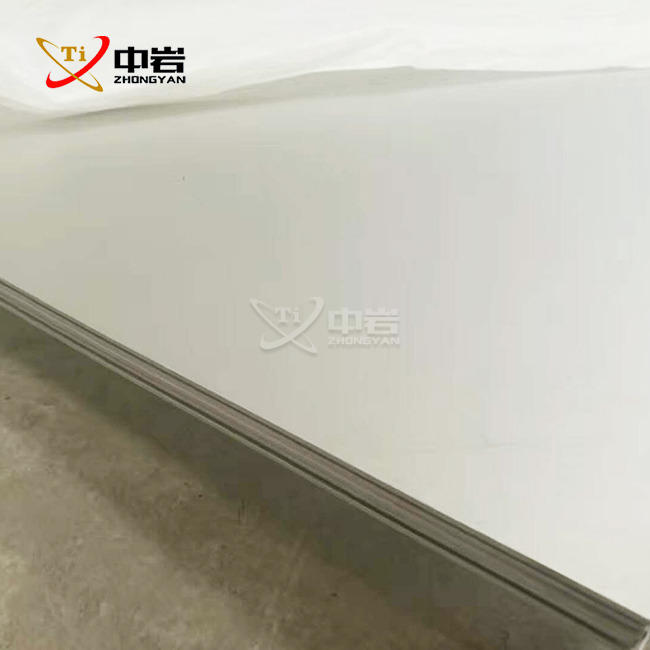
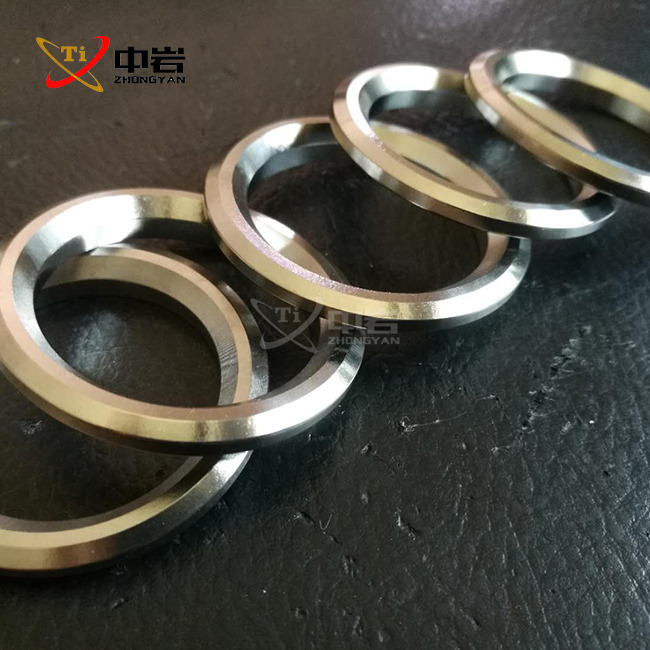
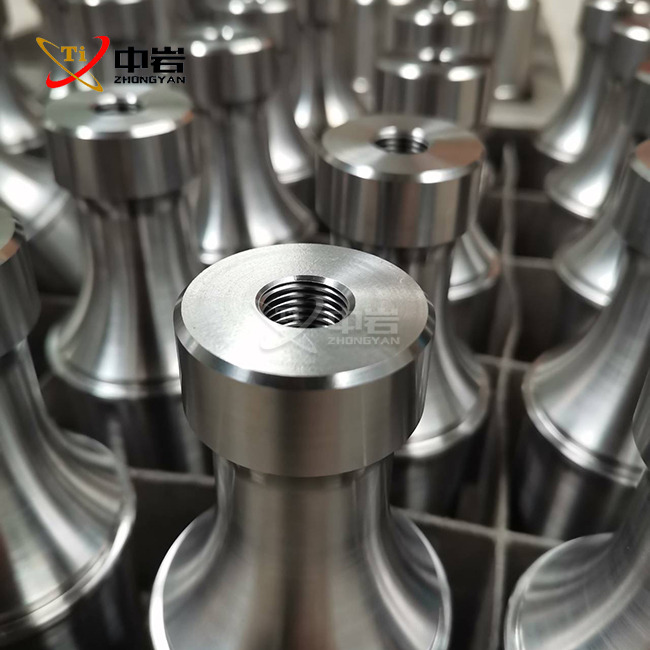
Zhongyan Titanium is one of the best companies that makes unique titanium flanges. They can do everything from finding materials to making sure the quality of their work is perfect. We are in Baoji City, which is known as China's "titanium valley," and we use the city's many titanium materials and cutting-edge processing technologies to make high-quality goods that meet strict international standards. We know a lot about different types of titanium, like Grade 4 titanium bars, which have great qualities (tensile ≥900 MPa, yield ≥850 MPa) and can be used in tough situations in the aircraft, chemical processing, and industry sectors. Our combined production skills include wire EDM machining, laser cutting, CNC turning, and CNC milling. This lets us make unique titanium flanges that are exactly what you need. We keep our ISO 9001:2015 license and follow foreign rules like those set by ASTM, AMS, and ISO. The company's technical team helps engineering teams choose the best materials by giving them expert advice and letting them work together to create specifications. This way, the teams can improve performance while keeping prices low. The titanium bars, plates, tubes, wires, and special CNC-machined parts made by Zhongyan are some of the things that the company sells. Our advanced quality control systems make sure that the features and dimensions of the materials are always the same, and our thorough testing methods make sure that they meet all the requirements. We offer OEM and ODM options that are flexible to meet the needs of each project, and we offer quick custom titanium flange manufacturer throughout the entire buying process.
Conclusion
Custom titanium flange manufacturers provide invaluable support during material selection processes through specialized expertise, comprehensive testing capabilities, and collaborative engineering services. Their deep understanding of titanium metallurgy, industry standards, and application-specific requirements enables optimal material choices that enhance operational performance while controlling lifecycle costs. The partnership between manufacturers and engineering teams ensures that material selections benefit from both theoretical knowledge and practical experience, resulting in reliable solutions for demanding applications across multiple industries.
FAQ
What factors should I consider when selecting titanium grades for flange applications?
Critical factors include operating temperature ranges, chemical exposure levels, mechanical stress requirements, and industry-specific compliance standards. Environmental conditions such as seawater exposure, acidic environments, or high-pressure systems significantly influence optimal grade selection. Your manufacturer should evaluate these factors comprehensively to recommend the most suitable titanium grade that balances performance requirements with cost considerations.
How do custom titanium flanges compare to stainless steel alternatives in terms of lifecycle costs?
While titanium flanges require higher initial investment compared to stainless steel, their superior corrosion resistance, extended service life, and reduced maintenance requirements often result in lower total cost of ownership. The elimination of frequent replacements, reduced downtime for maintenance, and improved system reliability typically justify the premium pricing, particularly in challenging environments where stainless steel performance proves inadequate.
What lead times should I expect for custom titanium flange orders?
Lead times vary based on design complexity, order volume, and customization requirements, typically ranging from 4 to 12 weeks for standard configurations. Complex custom designs or specialized material grades may require additional time for engineering review and processing. Experienced manufacturers can provide accurate timeline estimates based on specific project requirements and help optimize scheduling to meet critical deadlines.
Partner with Zhongyan for Superior Titanium Flange Solutions
Zhongyan Titanium delivers exceptional custom titanium flange manufacturing services backed by decades of metallurgical expertise and precision machining capabilities. Our technical team collaborates closely with engineering professionals to optimize material selection, ensuring optimal performance for demanding applications across aerospace, chemical processing, and industrial sectors. We maintain comprehensive quality certifications and provide responsive customer support throughout the procurement process, from initial consultation through product delivery.Contact our experienced engineers at sales@titaniumstudy.com to discuss your specific material requirements and explore custom solutions tailored to your application needs. As a trusted custom titanium flange manufacturer and supplier, we're committed to delivering superior products that exceed performance expectations while meeting critical project timelines and budget requirements.
References
1. Davis, Joseph R. ASM Specialty Handbook: Heat-Resistant Materials. ASM International, 2022.
2. Leyens, Christoph and Peters, Manfred. Titanium and Titanium Alloys: Fundamentals and Applications. Wiley-VCH, 2023.
3. Boyer, Rodney R. Materials Properties Handbook: Titanium Alloys. ASM International, 2021.
4. Froes, Francis H. Titanium: Physical Metallurgy, Processing, and Applications. ASM International, 2022.
5. Peters, Manfred and Hemptenmacher, Jürgen. Structure and Properties of Titanium and Titanium Alloys. Springer Materials Science, 2023.
6. Lutjering, Gerd and Williams, James C. Engineering Materials and Processes: Titanium. Manchester Materials Science Centre, 2022.
_1755673729494.jpg)
Learn about our latest products and discounts through SMS or email